

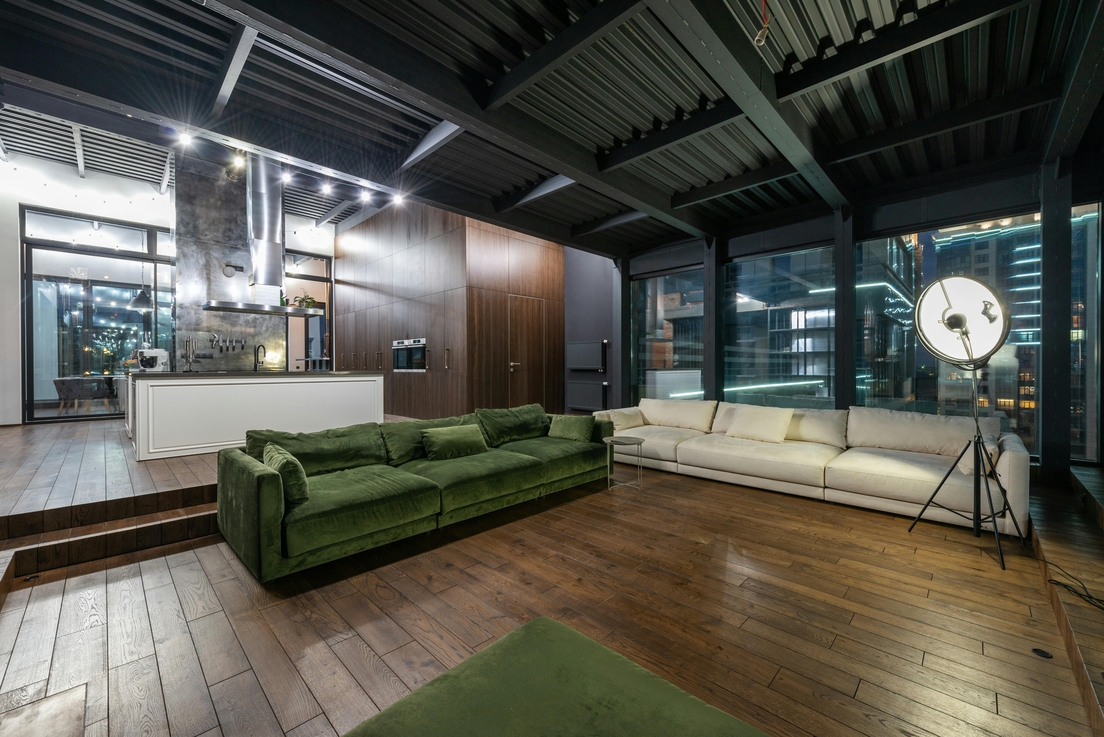
Basements have changed. What used to be cold storage space or a forgotten laundry area is now becoming one of the most used parts of the home. Homeowners across the country are turning basements into home gyms, media rooms, offices, guest suites, and even full entertainment spaces.
That shift has changed the way people think about flooring.
Many homeowners want the warmth and character of wood underfoot, but they also know basements come with moisture concerns. That leads to one of the most common questions we hear at Elite Flooring Specialist: Can engineered hardwood flooring actually work in a basement?
The short answer is yes. In many cases, engineered wood flooring is one of the best wood flooring options for below-grade spaces. Still, success depends on choosing the right product, preparing the subfloor correctly, and making sure moisture conditions are under control before installation begins.
That is where experience matters. Since 2006, Elite Flooring has focused entirely on flooring. Our team works closely with Connecticut homeowners to help them select materials that perform well in real-world environments, not just on showroom displays.
Why is engineered wood flooring better for basements than solid wood?
Engineered hardwood is built differently than solid hardwood flooring. Instead of being cut from a single piece of wood, it is made using multiple layers.
The top layer is real hardwood veneer. Underneath that are layered plywood or composite cores designed to improve dimensional stability.
That layered construction matters in a basement.
Basements naturally experience more humidity fluctuations than upper levels of a home. Concrete slabs can release moisture over time. Seasonal weather shifts in Connecticut can also create expansion and contraction issues.
Solid hardwood flooring reacts heavily to moisture. It can cup, swell, shrink, or warp more easily in below-grade spaces.
Engineered hardwood flooring handles those conditions far better because the layered core structure reduces movement.
That does not mean it is waterproof. No wood flooring truly is. However, engineered wood flooring is much more stable and forgiving in basement environments compared to traditional solid hardwood.
Can engineered hardwood flooring be installed directly over concrete?
Yes, engineered wood flooring can often be installed over concrete basement slabs. In fact, that is one of the reasons it has become so popular for finished basements. Still, the installation process matters.
Concrete holds moisture. Even when a basement feels dry, moisture vapor can move upward through the slab. If installers skip moisture testing or rush preparation, flooring problems can show up months later.
At Elite Flooring, our installation teams take moisture seriously because long-term performance depends on it.
A professional hardwood floor installation may include:
Moisture testing of the concrete slab
Vapor barriers or moisture mitigation systems
Proper underlayment selection
Floating floor installation methods
Glue-down systems designed for basement environments
Expansion spacing around walls and transitions
Those details often determine whether a floor lasts for years or develops issues prematurely.
What basement moisture problems should homeowners watch for?
Moisture is the biggest factor when deciding whether engineered hardwood flooring belongs in a basement.
Some warning signs include:
Damp smells or musty odors
Visible condensation
Previous flooding issues
Cracks in the slab
Water stains on walls or floors
High indoor humidity
Poor drainage around the home
If those issues exist, they should be addressed before flooring installation begins.
A finished basement may look dry during one season and develop moisture issues during another. Connecticut weather can be unpredictable, especially during wet springs and humid summers.
That is why professional consultation matters.
At Elite Flooring Specialist, we help homeowners understand whether their basement environment is suitable for engineered hardwood flooring before installation begins.
Sometimes a moisture barrier solves the issue. Other times, another flooring material may be a smarter long-term investment.
Honest guidance matters more than making a quick sale.
What are the benefits of engineered wood flooring in basements?
There is a reason homeowners continue choosing engineered hardwood flooring for basement remodeling projects. It delivers a balance that many flooring materials struggle to match.
Real wood appearance
Engineered hardwood flooring uses genuine hardwood on the surface. That means homeowners still get the texture, grain variation, and natural beauty of authentic wood flooring. The look feels elevated compared to many synthetic alternatives.
More warmth underfoot
Basements often feel cold. Engineered wood flooring helps create a warmer, more comfortable atmosphere compared to bare concrete or some tile surfaces. That can completely change the feel of a lower-level living space.
Better stability
The layered construction helps engineered hardwood resist movement caused by humidity shifts. That makes it a more reliable option for below-grade installations.
Design flexibility
Today’s engineered hardwood floors come in a huge range of styles, including:
Wide plank visuals
Rustic textures
Matte finishes
Contemporary European oak looks
Traditional maple and hickory styles
Light natural tones
Rich darker stains
Whether a homeowner wants a cozy basement lounge or a modern entertainment space, engineered hardwood offers flexibility.
What installation method works best in basements?
Several installation methods can work for engineered hardwood flooring in basements. The right choice depends on the product and the condition of the space.
Floating floors are extremely common because they allow the flooring to expand and contract naturally while sitting above the subfloor system.
Glue-down installations may also work well when moisture conditions are properly controlled.
Professional flooring installers evaluate factors like:
Basement humidity levels
Concrete condition
Ceiling height
Sound control needs
Subfloor flatness
Product specifications
That evaluation helps prevent expensive mistakes. Elite Flooring’s experienced installation teams are trained, licensed, bonded, and insured, giving homeowners confidence that every step is handled correctly.
Is engineered hardwood better than luxury vinyl for basements?
This question comes up constantly during basement remodeling projects. The answer depends on priorities.
Luxury vinyl flooring offers stronger water resistance. For basements with known moisture concerns or previous flooding history, waterproof flooring may provide extra peace of mind.
However, many homeowners still prefer engineered hardwood because of its authentic wood feel and higher-end appearance.
Engineered hardwood flooring often delivers:
Better resale appeal
More natural texture
Greater visual depth
A warmer overall design aesthetic
For dry, well-prepared basements, engineered hardwood can absolutely perform beautifully.
How do you maintain engineered wood flooring in a basement?
Maintenance is fairly straightforward. Homeowners should:
Clean spills quickly
Use manufacturer-approved wood floor cleaners
Maintain stable indoor humidity
Avoid excessive standing water
Use protective pads under furniture
Sweep regularly to remove grit and debris
Humidity control is especially important in basement spaces. A dehumidifier can help create more stable conditions year-round.
With proper care, engineered hardwood flooring can maintain its appearance for many years.
Looking for engineered hardwood floors in Hartford, CT? Contact us!
If you are considering engineered hardwood flooring for your basement or another room in your home, get in touch with Elite Flooring Specialist today! Our wood flooring store in Hartford, CT, serves West Hartford, Avon, Glastonbury, Farmington, Southington, Simsbury, and Cheshire, CT.


