
Laminate Flooring for Your Home
Laminate flooring offers the look of natural wood and other materials with a practical construction designed for everyday living. With a wide range of colors, patterns, textures, and plank styles available, laminate can work with many different interior designs.
If you're comparing flooring options for your home, understanding how laminate is made, where it works best, and what to consider before buying can help you make a more informed decision.
What Is Laminate Flooring?
Laminate is a multi-layer flooring product designed to recreate the appearance of materials such as hardwood.
A typical laminate floor includes a protective wear layer, a decorative visual layer, and a core made from wood-based materials. These layers work together to create a flooring surface that combines a realistic appearance with everyday durability.
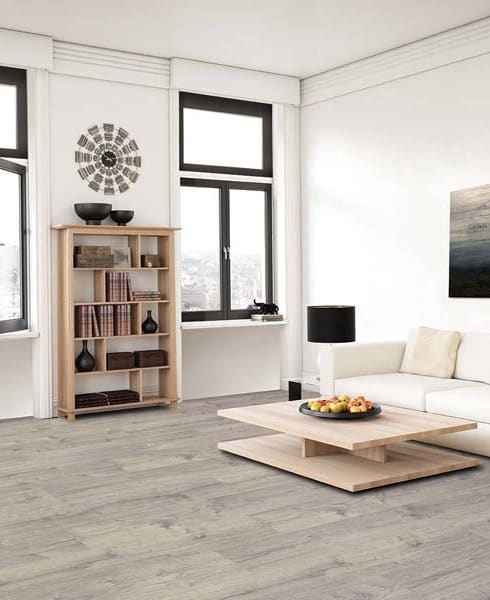
Modern laminate flooring is available in a variety of wood-look styles, making it possible to achieve the appearance you want without choosing natural hardwood.
Request an estimate
Benefits of Laminate Flooring
Laminate can be a practical option for homeowners looking for a balance of appearance, performance, and value.
Depending on the product, laminate flooring can provide:
- Realistic wood and other visual styles
- A wide range of colors and patterns
- Resistance to everyday wear
- Easy routine maintenance
- A variety of plank sizes and textures
- Options for different levels of household activity
Product performance varies, so it's important to review the specifications of the individual laminate flooring you're considering.
Laminate Flooring Styles
One of the advantages of laminate is the variety of designs available.
Wood-look laminate can recreate the appearance of different species, colors, grain patterns, and plank styles. Some products also feature textures designed to enhance the visual and tactile resemblance to natural materials.
When selecting a style, consider how it will work with:
- Cabinets
- Furniture
- Wall colors
- Trim and doors
- Countertops
- Flooring in adjacent rooms
A coordinated selection can help create a more consistent look throughout your home.
Is Laminate Flooring Durable?
Laminate is designed to handle everyday activity, but durability varies from product to product.
When comparing options, look at the manufacturer's specifications for wear resistance and recommended applications. Consider the amount of traffic the room receives and whether your household includes children, pets, or frequent guests.
A flooring professional can help you compare products based on how the room will actually be used.
Laminate & Moisture
Moisture is an important consideration when choosing laminate flooring.
Traditional laminate products contain a wood-based core that can be affected by excessive moisture. Spills should be cleaned promptly, and standard laminate may not be appropriate for areas with frequent or prolonged water exposure.
Some modern laminate products are specifically designed with improved moisture resistance. If you're considering laminate for an area where moisture may be a concern, check the specific product's water-resistance specifications before making your decision.
Caring for Laminate Flooring
Laminate flooring is generally easy to maintain with regular care.
Vacuum or sweep regularly to remove dirt and grit that can contribute to surface wear. Clean the floor using products and methods recommended by the manufacturer.
Avoid excessive water and don't allow moisture to sit on the flooring. Address spills promptly, particularly around seams and edges.
Following the manufacturer's care instructions can help protect the flooring and maintain its appearance.
Laminate vs. Hardwood
Laminate and hardwood can both provide a wood-inspired look, but they are made differently.
Hardwood is made from real wood and offers natural grain variation and character. Depending on the product, certain hardwood floors can also be refinished.
Laminate uses a manufactured construction to recreate the appearance of wood. It can provide a practical alternative for homeowners who want a wood-look floor with different performance characteristics and price points.
Your decision should take into account appearance, maintenance, moisture exposure, durability, budget, and long-term expectations.
Laminate Flooring Tips
Consider Where It Will Be Installed
Think about the room's traffic, moisture exposure, and everyday use before selecting a laminate product.
Compare Product Specifications
Two laminate floors may look similar while having different performance characteristics. Review wear resistance, moisture protection, warranties, and installation requirements.
Look at Samples in Your Space
Flooring can look different under showroom lighting than it does in your home. Compare samples alongside your existing cabinets, furniture, and wall colors.
Think About Transitions
If you're installing laminate next to another flooring type, consider how the two materials will transition between rooms.
Follow Care Instructions
Different laminate products can have different maintenance requirements. Follow the manufacturer's recommendations for cleaning and care.
Is Laminate Flooring Right for Your Home?
Laminate can be a good option if you're looking for a versatile floor with a wood-inspired appearance and practical everyday performance.
It's worth comparing laminate with hardwood, luxury vinyl, carpet, and other flooring types to determine which material best matches your room and lifestyle.
Explore Laminate Flooring at Elite Flooring
Ready to explore your options? Browse laminate flooring styles and compare colors, textures, and designs for your home.
Contact Elite Flooring to discuss your flooring project and find the right laminate for your space.
Request an estimateReimagine your space
Get inspired with our beautiful flooring galleries


