

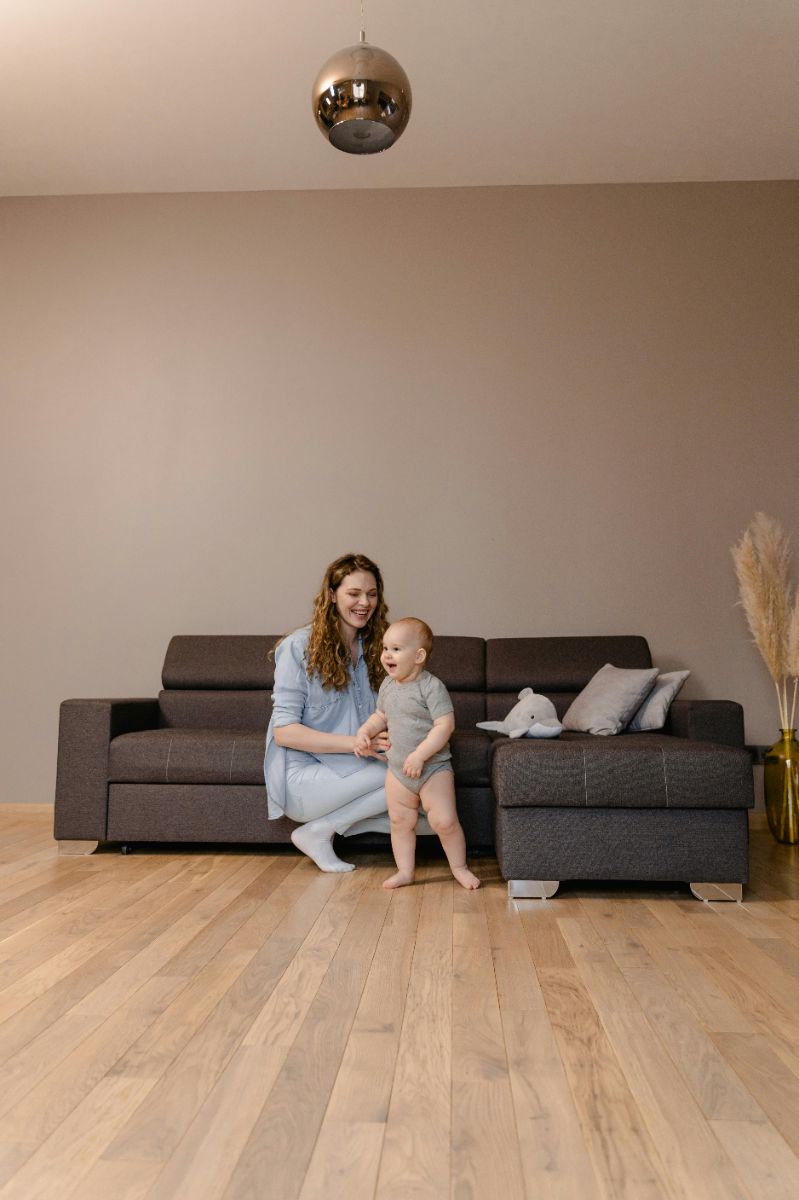
When you install hardwood flooring, you’re making an investment in your home’s beauty and durability. But before you get too excited about admiring the new floor, there’s a crucial step you can’t skip: acclimating the hardwood. Acclimation might sound like a fancy term, but it’s really just the process of allowing your hardwood floors to adjust to the temperature and humidity levels in your home. If you skip this step, you could face some serious issues down the road. So, how long does hardwood flooring need to acclimate? Let’s dive in.
Understanding the need for acclimation
You may wonder why hardwood flooring needs to acclimate in the first place. Well, wood is a natural material that expands and contracts with changes in temperature and humidity. If your new flooring isn’t allowed to adjust to the conditions of your home, it can cause the boards to warp, crack, or buckle over time. Not only will this affect the appearance of your floor, but it could also lead to expensive repairs. By acclimating your hardwood before installation, you give it time to adjust to the environment and prevent these issues.
How long does it take for hardwood floors to acclimate?
The general rule of thumb is that hardwood flooring needs to acclimate for 48 to 72 hours before installation. This allows the wood to adjust to the humidity and temperature levels in your home. However, the exact time frame can depend on several factors, such as the type of hardwood, your home’s climate, and the condition of the room where the floor will be installed. It’s always best to check with the manufacturer’s guidelines for specific acclimation times.
Factors that affect acclimation time
Not all hardwood is created equal, and different types of wood may require different acclimation times. For instance, oak, maple, and hickory may need a little longer to adjust compared to softer woods like pine. On the other hand, engineered hardwood flooring, which is made from layers of wood, may not need as much time to acclimate as solid hardwood.
The climate in your area is another important consideration. If you live in a humid region, the hardwood may need extra time to adjust, whereas in drier areas, the process could be quicker. If you're installing hardwood floors during the winter months when heating systems are running, or during summer when air conditioners are at full blast, you’ll also need to factor that into your acclimation process. The temperature and humidity levels in your home should ideally be between 60-80°F and 35-55% relative humidity for optimal conditions.
What happens if you skip acclimation?
Skipping the acclimation process might save you a little time, but the risks far outweigh any perceived benefit. Without acclimating the wood, you could find your hardwood flooring warping, cupping, or even separating at the seams after installation. These issues can lead to costly repairs or replacements down the road. Not only that, but humidity changes can make your floor feel uneven underfoot, and no one wants to walk on a floor that feels like it’s constantly shifting.
Preparing your wood floors for acclimation
Now that you know how important acclimation is, let’s talk about how to prepare your hardwood flooring before you begin the process. First, you’ll want to leave the flooring in the room where it will be installed. This is key to ensuring it adjusts to the right conditions.
The boards should be spread out in the room, rather than stacked together in a tight pile, to allow for proper airflow. Make sure the room is at a consistent temperature and humidity level during the acclimation period. Keep the room closed off from drafts or extreme temperature changes to prevent any sudden fluctuations.
The right place for acclimation
If you have a basement or an attic with varying temperature or humidity levels, it’s best to avoid acclimating your hardwood flooring there. Instead, keep the flooring in the main living areas of your home where you’ll be installing it. If possible, keep the flooring in the exact room where it will go, as this will give it the best chance to adjust. The more controlled the environment, the better your results will be.
Can I speed up the acclimation process?
While the recommended time for acclimation is 48 to 72 hours, you might be tempted to rush the process. If you try to speed things up, however, you could end up with flooring problems down the line. The best thing you can do is to be patient and give the wood the time it needs to acclimate properly. If you absolutely must install sooner, try to give it at least 24 hours to adjust. But don’t make a habit of cutting the process short because doing so could end up costing you more time and money in the long run.
Your trusted experts on wood floors in Hartford, CT
In the world of hardwood flooring, patience truly pays off. While it might be tempting to jump right into installation, taking the time to acclimate your hardwood properly is essential for long-term success. Follow the recommended acclimation times, keep your flooring in a controlled environment, and make sure to prepare the room accordingly. By doing so, you’ll set your new hardwood floors up for years of beauty and durability.
If you’re unsure about the best way to acclimate your hardwood flooring or have questions about the process, don’t hesitate to reach out to Elite Flooring Specialist. Our flooring experts are here to guide you every step of the way, ensuring your floors are installed correctly and will last for years to come. Our hardwood flooring store in Hartford, CT, serves West Hartford, Avon, Glastonbury, Farmington, Southington, Simsbury, and Cheshire, CT.


